
Competition
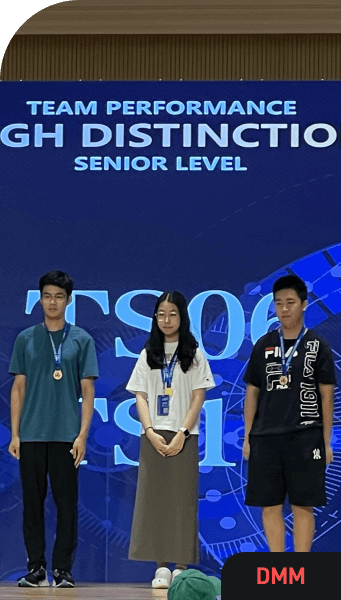
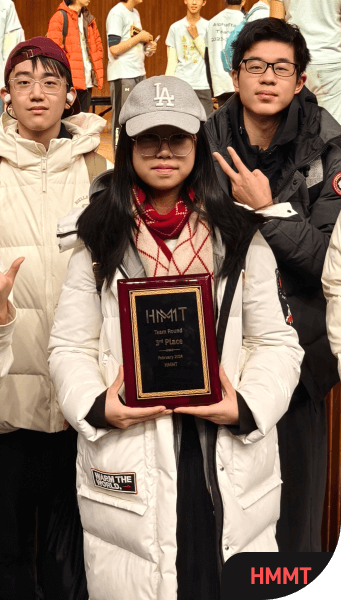
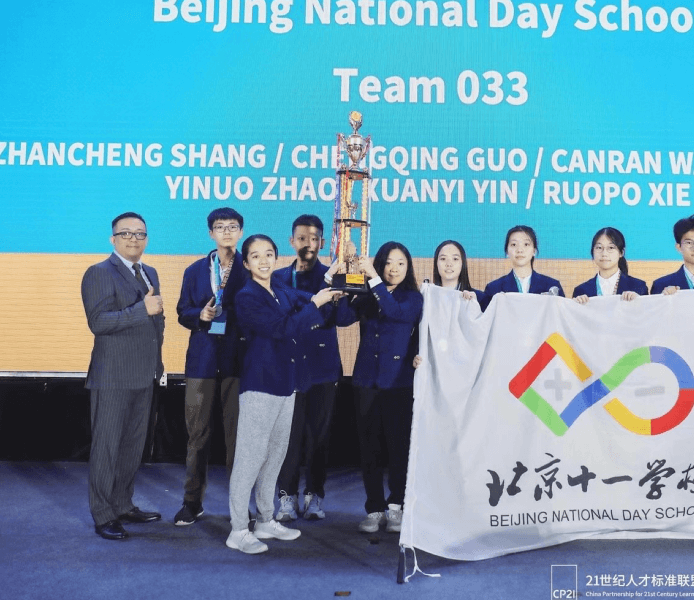
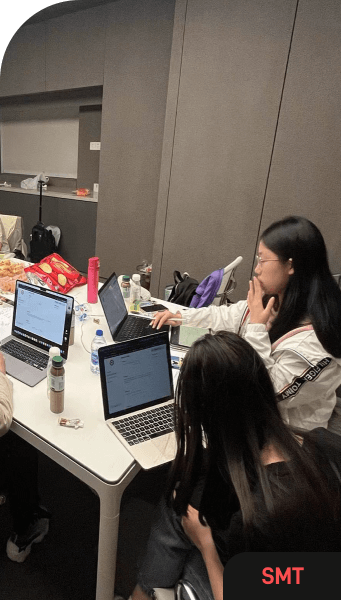
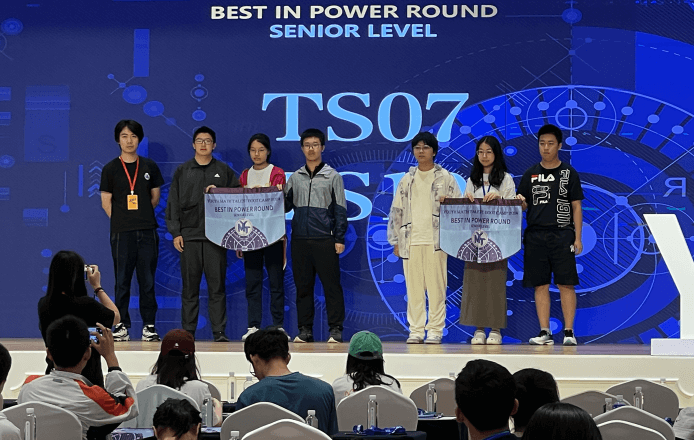
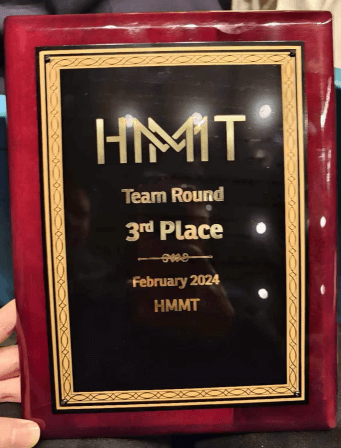
From local competitions to international events, math became my compass. Through tenacious decathlon challenges, I discovered my strength in math, stepping up as the go-to math tutor for my team and, later, coaching new recruits.
Whether in individual competitions where I pushed my knowledge or team events where collaboration brought synergy, math taught me about focus, resilience, and the joy of problem-solving with others.



Math+
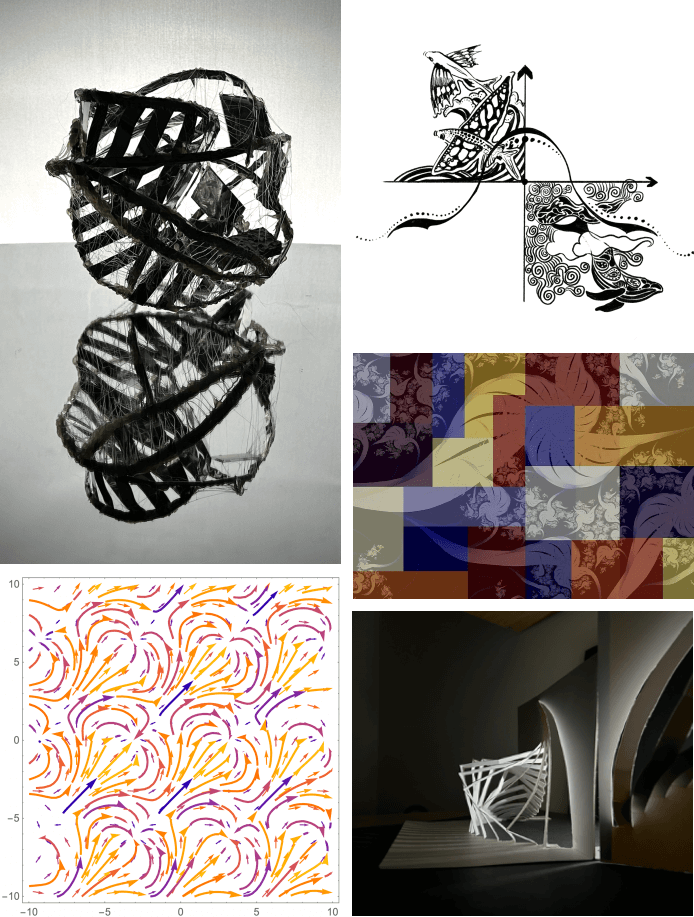
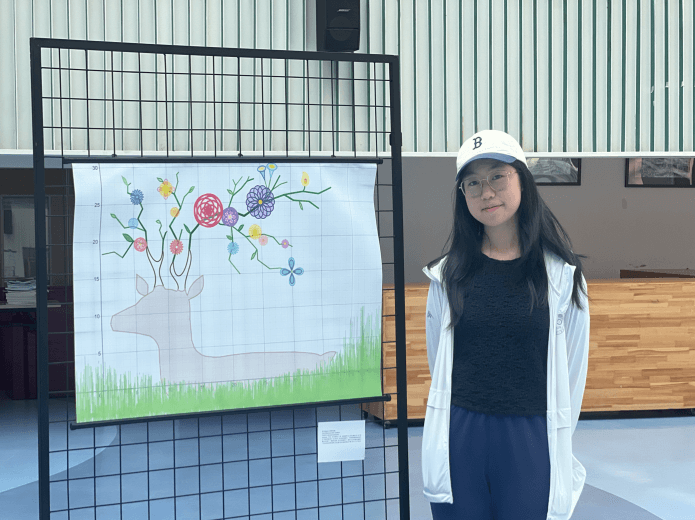
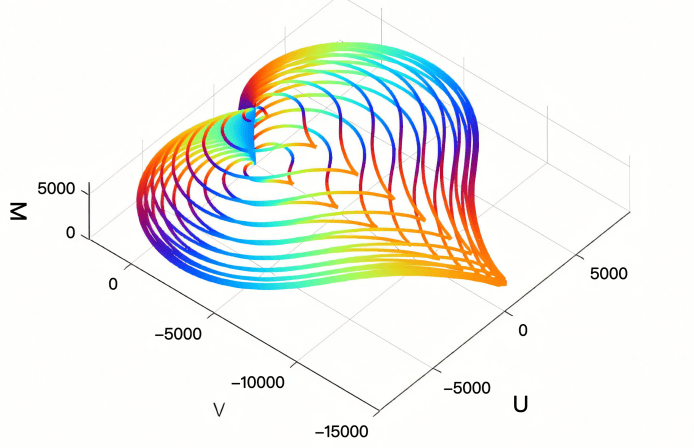
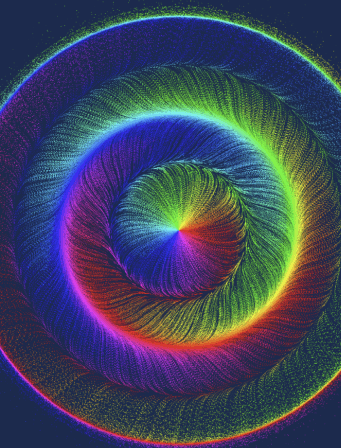
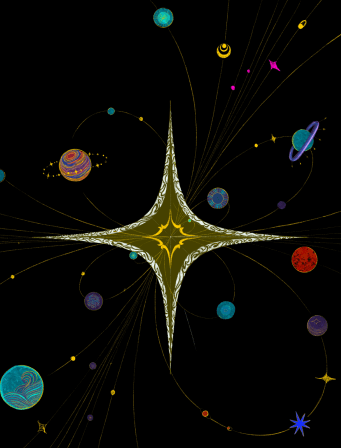
I have seen countless beauty in the world of mathematics. The beauty of algebraic balance, the beauty of geometric concreteness, and so on. Through the school's mathematical modeling class, the vector field I drew was rated as the most beautiful one. Inspired, I hope to spread my understanding of mathematics to more people and break the conventional stereotype of mathematics, so I held Dimension, the Cross School Mathematical Art Exhibition. Through my and my classmates' original works, we hope to express that mathematics and art coexist under the laws of nature.

Interdisciplinary attempts
In addition, I have made many interdisciplinary attempts in mathematics, such as combining economics and art. I have produced a 17-page paper on the use of game theory in the art industry, including auctions & pricing strategy; I have also delved into the Bronze ratio, which is currently under-researched, by studying the Fibonacci sequence. Through visualization methods such as tiling, I have discovered new patterns in the sequence and hope to apply them to the field of art, just like the golden ratio, to bring more possibilities to designers and architects.
- NCMC Abstract This paper applies game theory to the art market, focusing on how strategic decision-making shapes outcomes in art auctions and gallery or museum pricing strategies. Using the Claude Monet Haystacks series as a case study, the research explores competitive bidding tactics in auctions and how game theory models, such as the English auction model, help predict outcomes like final auction prices. The paper also delves into hedonic and Stackelberg pricing models, which galleries use to set artwork prices based on intrinsic attributes and market competition. Furthermore, the study discusses museum pricing strategies, including tiered pricing and dynamic pricing, to balance public access and revenue. By leveraging these game theory frameworks, the research illustrates the strategic interactions among art market participants and their broader implications for pricing and economic sustainability. LINK TO PAPER
- Pioneer Abstract This paper explores the Bronze Fibonacci sequence, an extension of the classic Fibonacci sequence, focusing on tiling sequences involving three-color squares and single-color dominoes. The sequence is generated through recursive relationships similar to the Fibonacci sequence but with additional color variations. The study delves into combinatorial properties, such as the recurrence relation a_n= 3a_(n-1)+ a_(n-2), and introduces the concept of the Bronze Ratio, a less-known metallic ratio related to geometric and aesthetic properties. Additionally, the paper provides proof for several theorems using recursive tiling methods and explores potential applications in fields like fractal geometry, architecture, and phyllotaxis. Through these applications, the Bronze Ratio is shown to have broader implications in mathematical modeling and design. LINK TO PAPER
